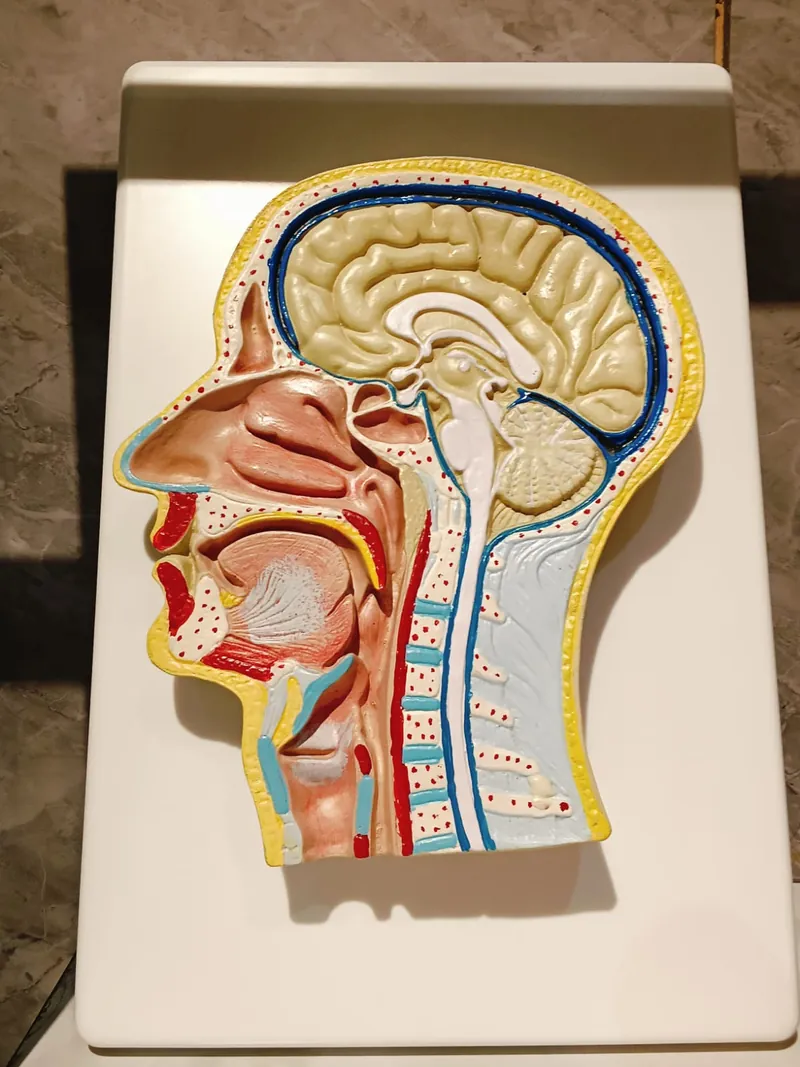
Physical
Anatomy lab
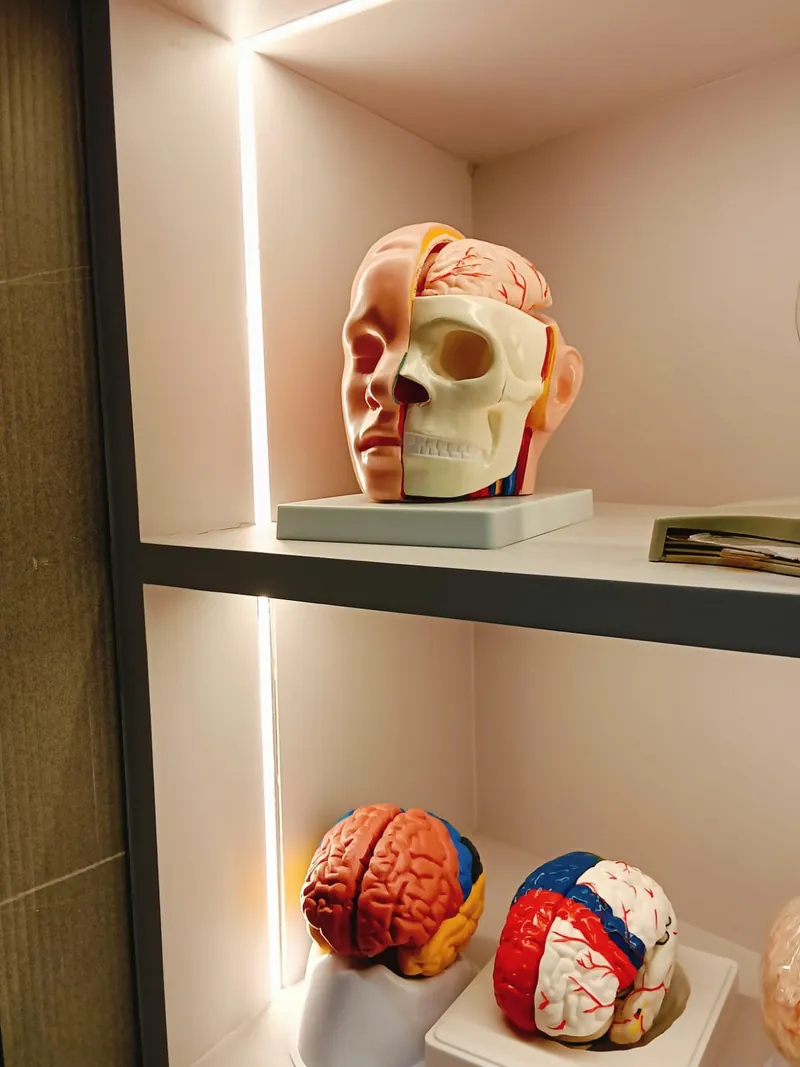
Use real models for tactile, visual and group-based teaching.
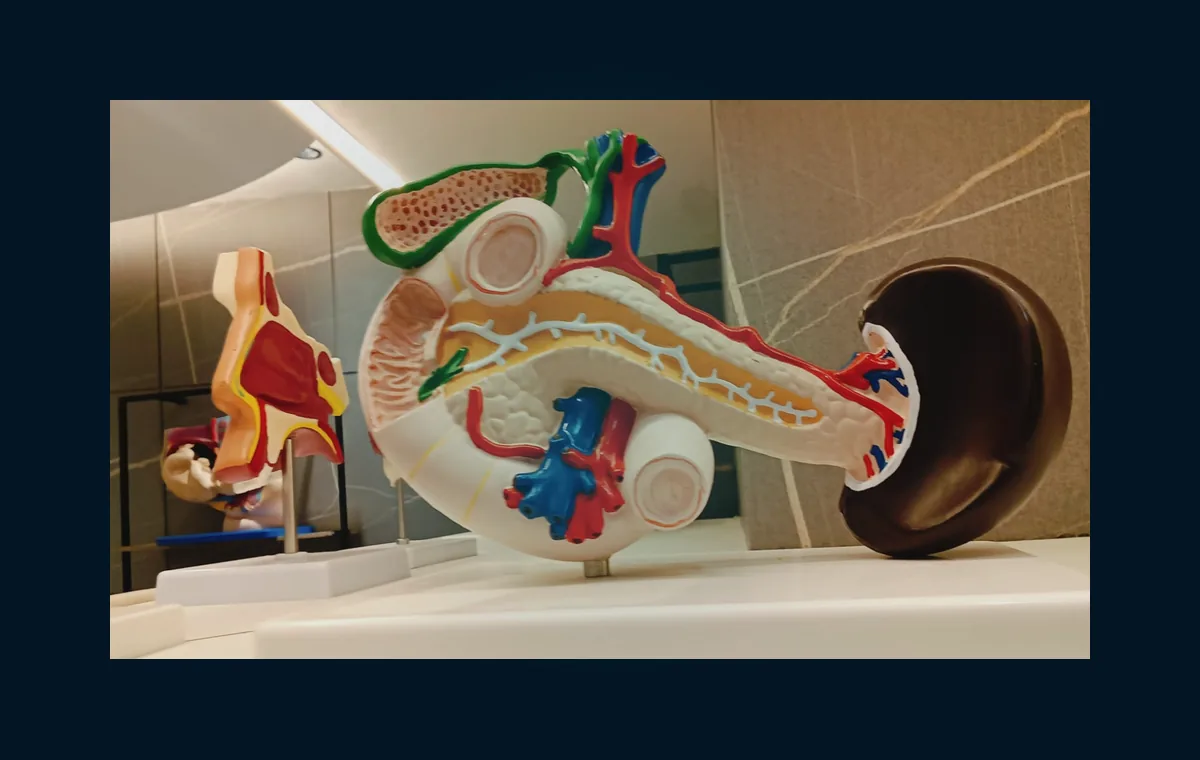
Build a hybrid learning environment where physical anatomy models, clinical simulation and interactive 3D learning work together.
Use the heart viewer for classroom demonstrations, self-directed learning and blended medical education.
Rotate and inspect the model while explaining cardiac structures and spatial relationships.
The remaining demonstrations are available here so the homepage stays fast and focused.
VR works best when it complements the physical teaching environment rather than trying to replace every hands-on experience.
Use real models for tactile, visual and group-based teaching.
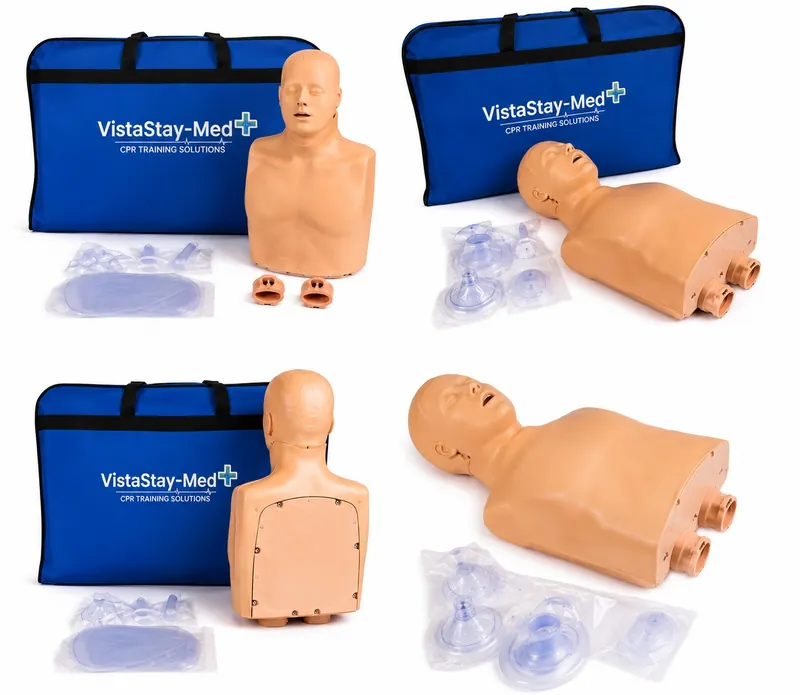
Practice procedures and emergency response with training manikins.
Explore anatomy spatially and revisit complex structures interactively.
Build a coherent teaching environment across departments and skill labs.